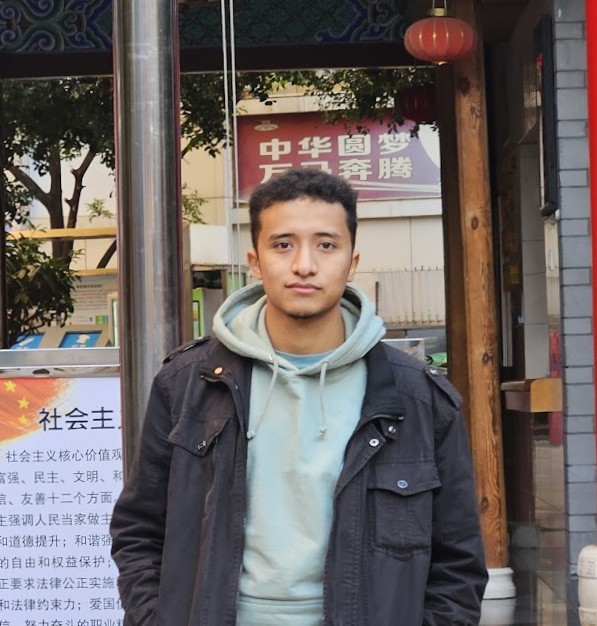
Syed Alwi Al-Haddad
Co-founder · Hardware, clinical, regulatory
- MEng Biomedical Engineering, UCL
- Built a neonatal diagnosis AI pipeline at 87.5% accuracy
- Founder of Gunung and Tempa Digital
Bangkit · Malay for “rise”
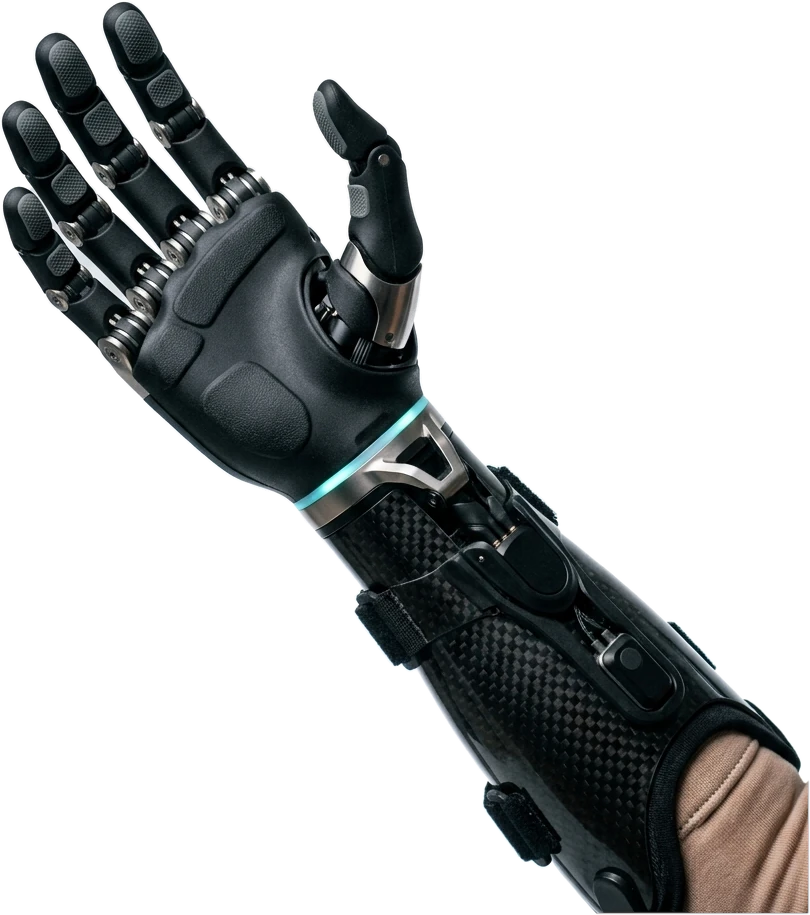
An AI bionic hand you control with your own muscles. Built in Malaysia, for the people imported hands leave behind.
Four grips. A thumb that moves itself. No phone, no cloud.
Concept render
The problem
Every year, around 128,000 people across Southeast Asia lose a hand or arm. Most are young, working, and the only earner at home. A bionic hand that works costs RM 25,000 to RM 160,000. So most go without.
The price
RM 160,000
Not a subsidy. The price comes from how it's made.
Intelligence
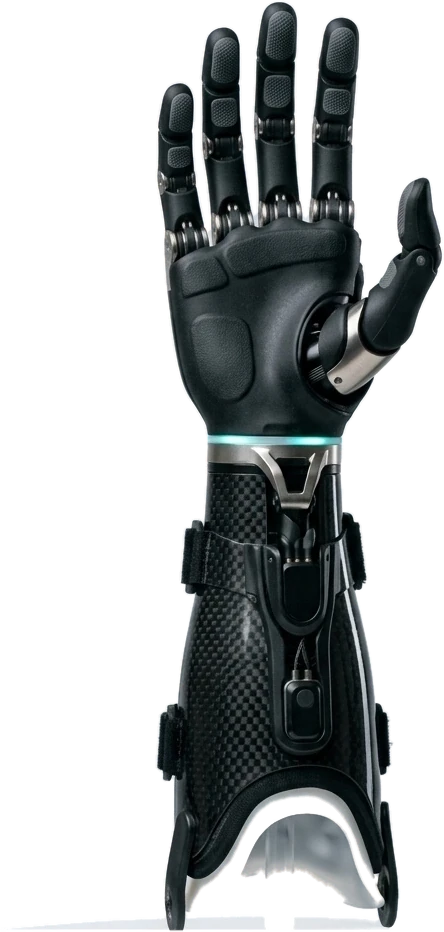
Sensors in the socket read your forearm muscles. A tiny neural network on the hand works out which grip you mean, in real time.
Two senses
Electrodes read the muscle's electrical signal, and lose it when skin contact fails. Force sensors read the muscle changing shape, and don't mind the heat. The hand listens to both.
99.4% fused, when electrodes alone fell to 90.9%, in a published stress test.
The hand
Getting fitted
Sold through the prosthetics clinics that already look after patients. They fit it, calibrate it and service it.
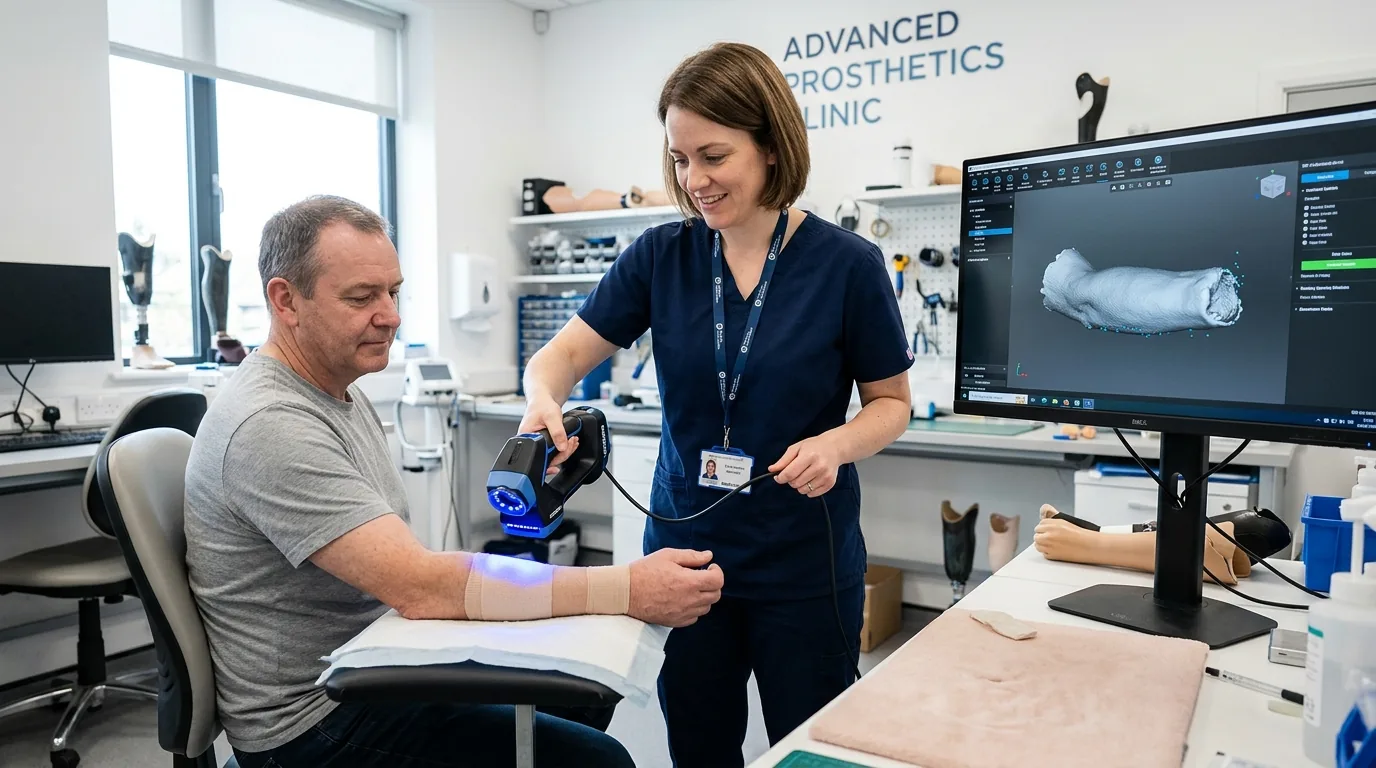
Your prosthetist 3D-scans your limb.
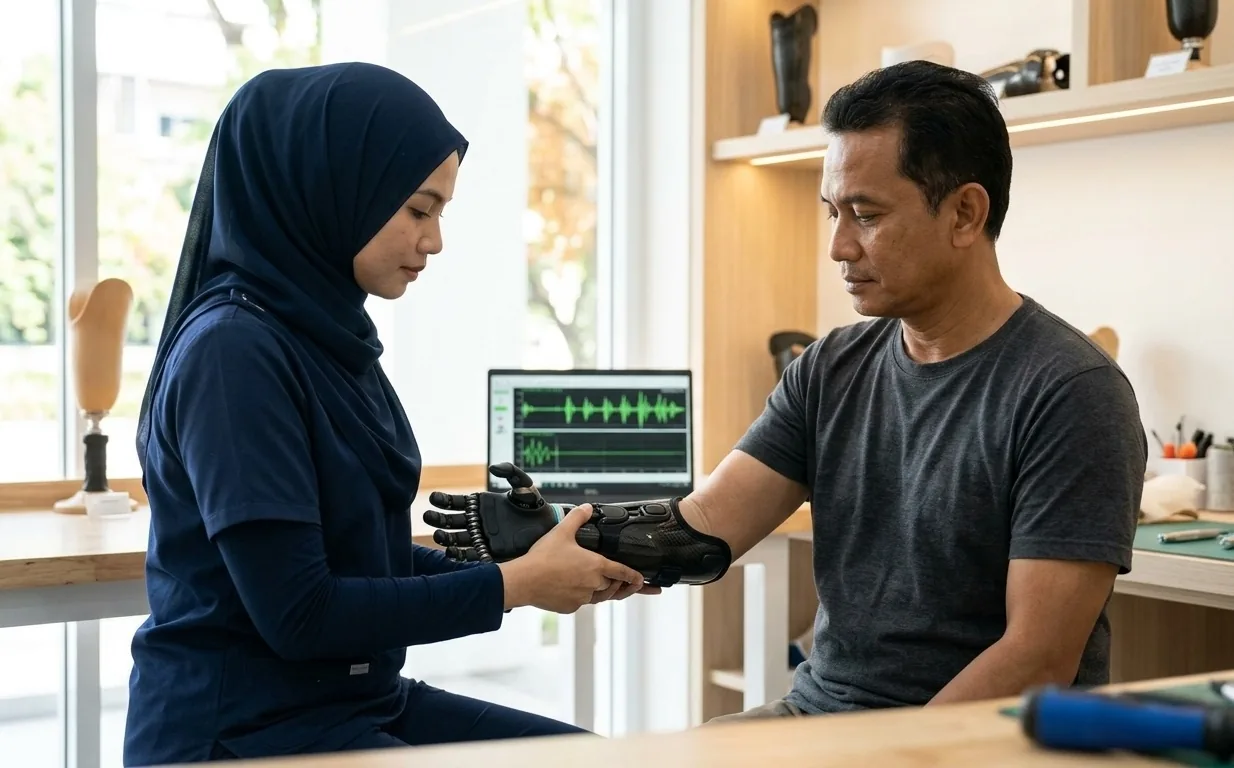
A socket printed to your shape, then 5–10 minutes teaching the hand your signals.
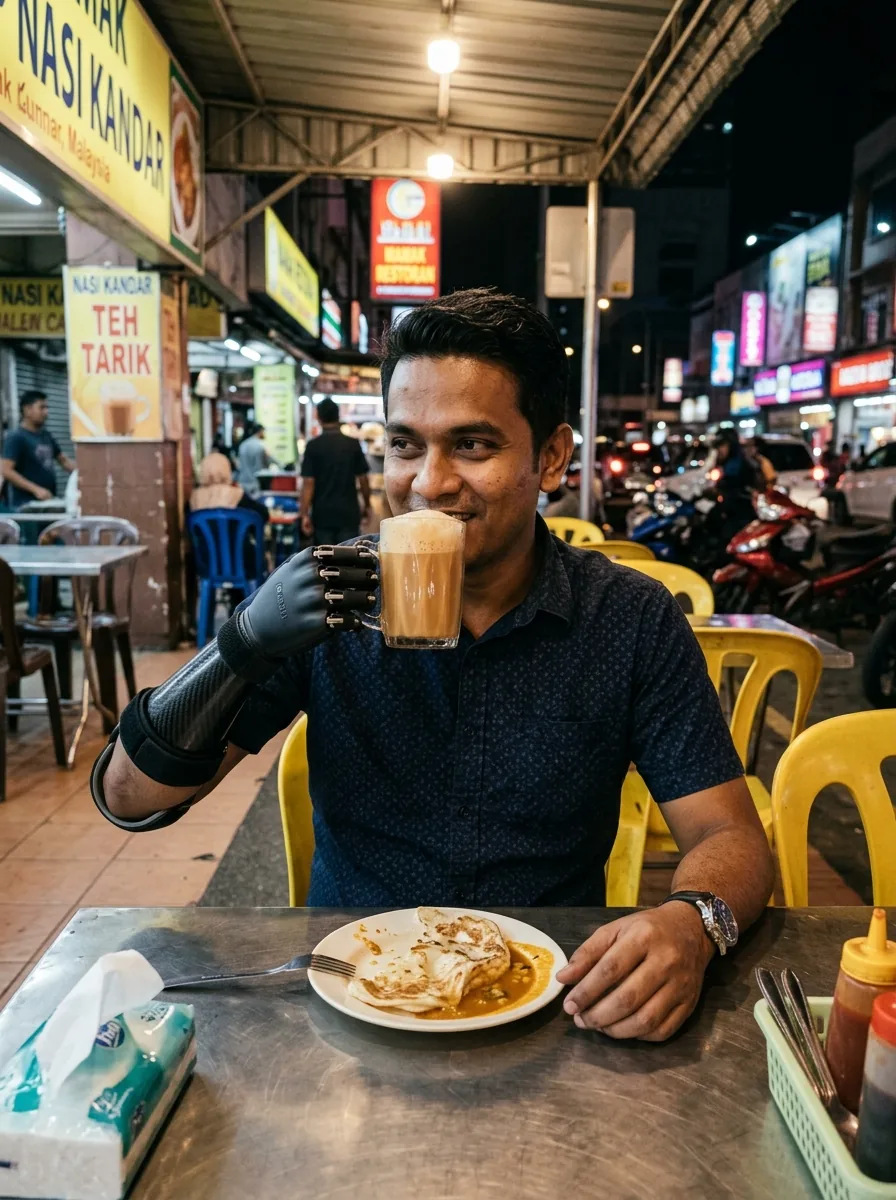
Home, work, teh tarik. Two hands again.
Where we fit
Premium Western hands do more, and cost three to fifteen times as much. Budget hands leave out the motorised thumb and the AI. We sit in the gap.
No one else puts all five in one hand.
Where we are
On-device neural network and dual-sensing architecture validated in lab testing.
Integrated, battery-powered socket and hand engineered for active limb wear.
Multi-patient usability studies and regulatory clearance with MDA & HSA.
Fittings and ongoing service through certified prosthetics partner clinics.
Company
Co-founder · Hardware, clinical, regulatory

Co-founder · Machine learning, firmware
Backed by and building with
 Shortlisted, CIP Spark
 Where we trained
 Socket partner
Adults with a below-elbow amputation. The muscles that move your fingers sit in the forearm, so after a below-elbow amputation most of them are still there to control the hand.
Not yet. We're building the wearable prototype now. Patient trials come next, then launch through prosthetists, starting in Singapore. Register your interest below and we'll tell you when trials open.
Our target is RM 9,500 for the flagship hand, with configurations from RM 4,500 to RM 14,500. An annual service plan covers recalibration, firmware updates and replacement parts.
In Singapore, private insurance and the Assistive Technology Fund already pay towards prosthetics. In Malaysia, SOCSO can help after a workplace injury, alongside employer insurance, NGOs and hospital welfare funds. Your clinic can tell you what applies to you.
You think about the grip you want. Sensors in the socket read your forearm muscles, and the hand works out which grip you mean. A 5–10 minute calibration at your fitting teaches it your signals.
No. Everything runs on a small chip inside the hand. Bluetooth is only used for firmware updates.
That's what it's designed for. Electrodes can lose contact when you sweat, so the hand also uses force sensors that read the muscle's shape instead. Using both keeps it working in tropical heat.
Not yet. Registration with Malaysia's MDA and Singapore's HSA is part of our path to launch, and the hand won't be sold before it's cleared.